





Certification
All products are certified to meet multiple international water quality standards, energy efficiency standards, and comply with building certification systems such as the WELL™ Building Standard and BEAM Plus.
We assist clients in achieving the required certifications and ensure that their projects meet the relevant standards, in turn promoting sustainable development.

ACUO
- Energy Label
- Green Mark (Taiwan)
- Heat-exchange technology
- Energy saving mode

Waterlogic
- Bottle saved counter
- R600a
- Energy saving mode
- Manufacturing under ISO 14001 : 2015 Environmental management systems (EMS) standard 100% recyclable
- Non-toxic & non-hazardous materials used in the production of our dispensers

Billi
- Global GreenTag
- ISO 9001 QMS Certification
- Heat Exchange technology
- Water-cool
- Energy-saving mode
- R290 refrigerant
Social Responsibility

01
01
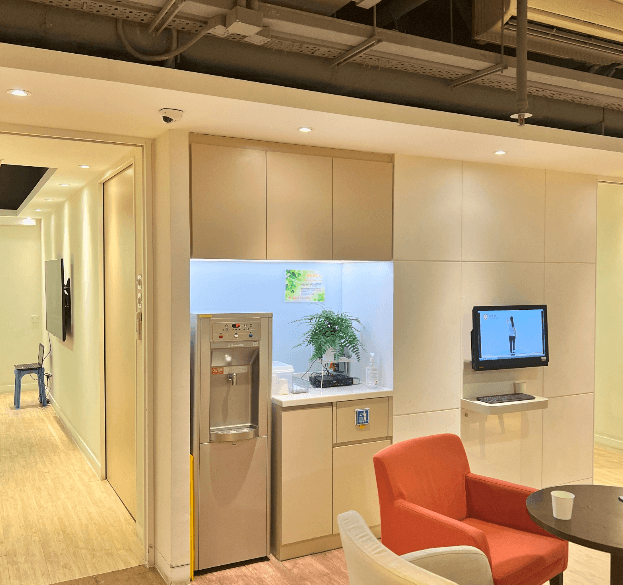
Being mindful of the way
We are dedicated to encouraging the use of drinking water dispensers across various sectors to minimize environmental impact. This includes reducing carbon emissions during transportation, decreasing water consumption and carbon emissions from bottled beverages production, and mitigating the environmental damage caused by disposable plastics.
02
02
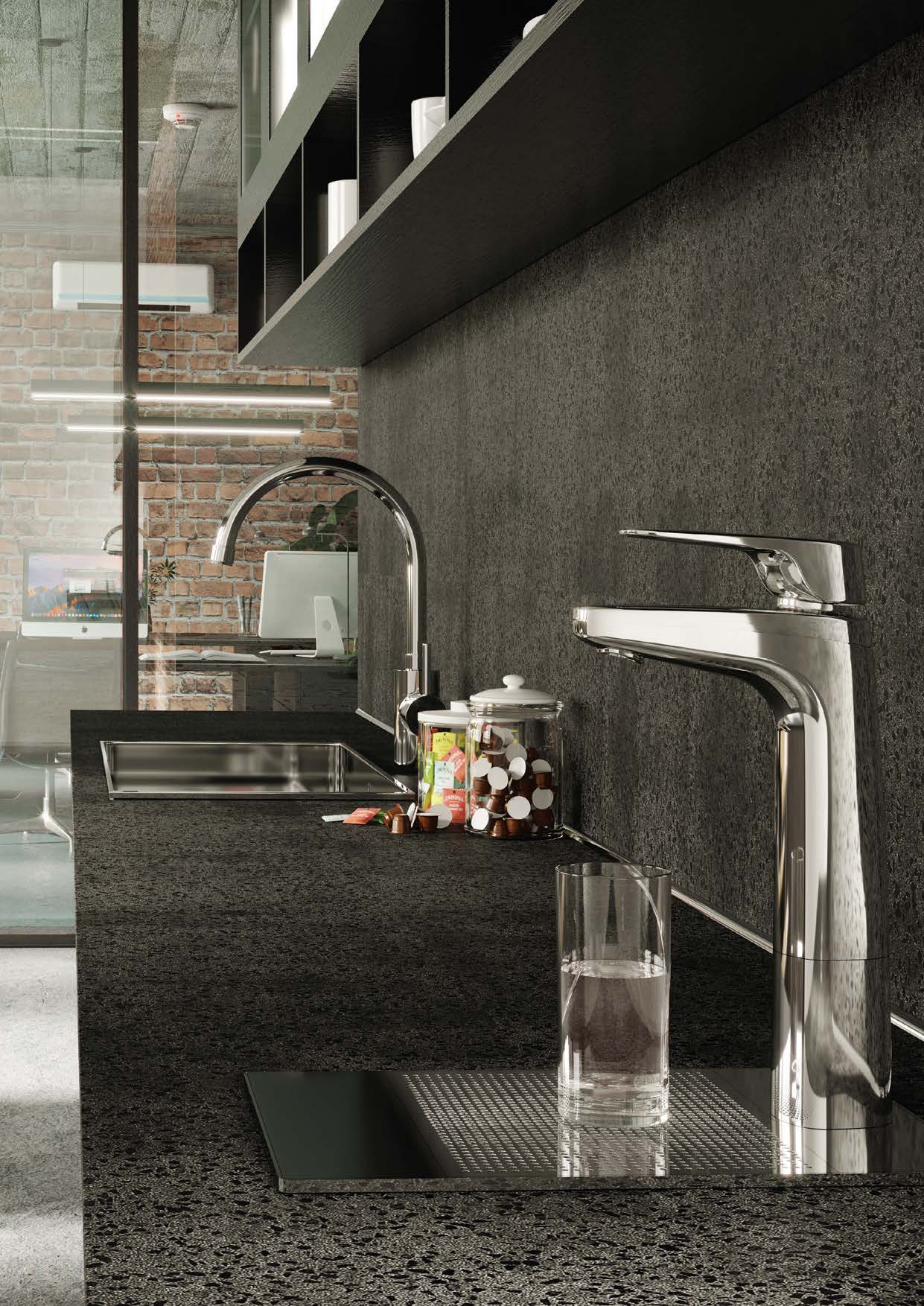
Small changes, big impact
We are dedicated to encouraging the use of drinking water dispensers across various sectors to minimize environmental impact. This includes reducing carbon emissions during transportation, decreasing water consumption and carbon emissions from bottled beverages production, and mitigating the environmental damage caused by disposable plastics.
03
03
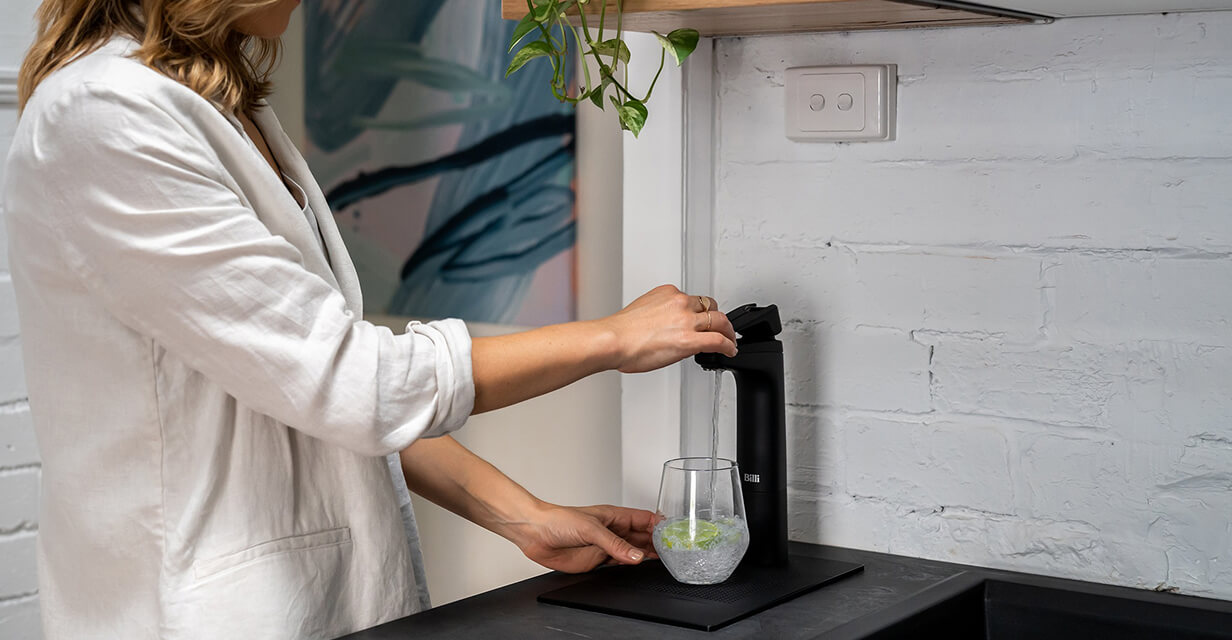
Taking the Refill Revolution forward
We are dedicated to encouraging the use of drinking water dispensers across various sectors to minimize environmental impact. This includes reducing carbon emissions during transportation, decreasing water consumption and carbon emissions from bottled beverages production, and mitigating the environmental damage caused by disposable plastics.
Find A Solution
FAQ
The advantages are:
– Smaller filter size
– Faster filtration rate
– No waste water will be generated
Lorem Isump
The disadvantages are:
– Rather short lifetime, needs to be replaced frequently
– Since the filter pole size is 0.1-5 micron, some material like heavy metal ions cannot be filtered
– Filtration performance drops overtime
AC is an elementary filtration technology. Function and performance of AC filters vary by the pore size of the filter, which ranges from 0.1 micron to 5 microns. Most typical AC filters can remove chlorine, dust and rust from water.