




About Life solutions


Our story
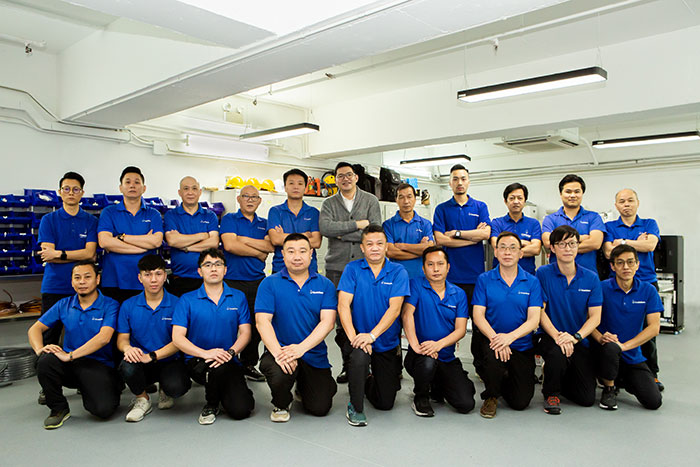
Life Solutions began its story in 2003 with a passion for excellence and a desire to pure, healthy, sustainable hydration. For over 20 years, Life Solutions has been creating exceptional hydration experiences for the leading organizations across industries.
Our professional water solutions are trusted by over 3000 high-profile corporate clients, hospitality, and private residencies throughout Hong Kong, Macau, and China.
Being the exclusive distributor for several internationally renowned water purification and drinking water dispenser brands in Hong Kong, Macau, and the Greater China region, including ACUO, the Australian brand Billi, and Waterlogic, Life Solutions cater to all different desires and needs.
Through our portfolio of worldwide selected brands, our solutions cover the full spectrum of exquisite, high-capacity water dispensers and state-of-the-art filtration technology, where form seamlessly blends with function.
Milestone
Our founder, Blake Ireland, established Life Solutions in 2003. Witnessing the single-use plastic pollution problem, his commitment and passion to a greener future has driven him to develop an alternative to tackle disposable plastics. That is why our solutions are designed around our dedication to deliver excellence, commitment to reduce environment impact in drinking practices, and a desire to pure, clean, and refreshing hydration. Watch the video to learn more from Blake sharing his spark and dedication behind the founding of Life Solutions.

Latest Blog & News

桌上型飲水機推薦 | 桌上型冰溫熱飲水機推薦選購攻略
在現代生活中,健康與便利已成為家庭與辦公環境的核心需求。一台高品質的桌上型飲水機,不但能即時提供冷水、熱水與溫水,更能費時煲水及儲存樽裝水的繁瑣。在選購適合你使用的冰溫熱飲水機時,建議先全面了解各類桌上型飲水機的種類、技術特性與功能,並綜合考量安裝場所的日常用水需求、大廈供水水質狀況等因素,從而作出最符合實際需求的選擇。 為什麼選擇桌上型飲水機? 桌上型飲水機的適用場景與空間優勢 桌上型飲水機以其體積小巧、安裝靈活的特性,成為現代家居、中小型辦公室及自助水吧的理想選擇。對於有長者或幼童的家庭而言,具備安全鎖的冰溫熱飲水機更能提供即時熱水或溫水,方便沖泡奶粉、泡茶或日常飲用,全面提升生活便利與安全性。 冰溫熱三段溫控的實用性 冰溫熱飲水機可即時提供所需水溫,無論是沖調嬰兒配方奶、茶或咖啡,都無需等待水煲加熱或冷卻,一按即時取水。 桌上型飲水機的種類解析 注水式桌上型飲水機 注水式過濾飲水機(Plug-and-Play)為即插即用型,使用者只需插電和手動加水即可運作。雖然安裝簡便,但需定期手動加水及徹底清潔水箱,以防儲水缸滋生細菌與二次污染,使用上需多加留意。 駁水式桌上型飲水機 此類機型可直接接駁自來水管,透過內建濾芯即時過濾,無間斷供應潔淨飲用水。此類機型不但免除人手加水的繁瑣,亦避免儲水式設計可能產生的衛生風險,適合長期使用與高頻率飲水需求。 選購桌上型冰溫熱飲水機的三大關鍵要素 過濾性能與水質安全 飲水機的核心在於其過濾技術。優質的飲水機應配備高效能濾芯,例如活性碳過濾、逆滲透技術等,以去除水中的氯氣、重金屬及雜質。部分頂級型號更會配備UV殺菌功能,從源頭到出水口,全方位保障飲用水的純淨安全。 空間與外觀設計 桌上型飲水機需與廚房或茶水間空間協調。選購前應量度預留空間,並選擇設計簡約、線條流暢的機型,提升整體空間美感與使用便利性。 智能與節能功能 現代飲水機多配備智能節能模式、兒童安全鎖與靜音運作設計,不但提升使用體驗,更符合環保與居家安全需求。 我們的桌上型飲水機推薦清單 精選桌上型冰溫熱飲水機推薦 桌上型飲水機常見問題解答 桌上型飲水機能否持續供應熱水? 駁水式飲水機機型可提供近乎不間斷的熱水。若大量使用後,水機可能需短暫過濾及加熱,但一般家庭或辦公使用情境下,皆可即時取用熱水。 濾芯更換是否容易操作? 市面上部分注水式過濾飲水機採用易拆式濾芯設計,使用者可自行更換;而駁水式飲水機,因需接駁大廈食水管,建議依循原廠專業保養計劃,並按建議週期定期更換濾芯,以確保系統穩定運作及持續提供高品質飲用水。 升級飲水體驗|選擇 Life Solutions 桌上型飲水機 Life Solutions 提供多款國際認證的家用與商用飲水機,產品系列包括ACUO、Waterlogic及Billi等國際知名品牌,全面涵蓋水質安全、節能環保與設計美學。我們已為超過 2,000 家企業提供專業飲水方案,深受信賴。立即聯絡我們,獲取免費專業諮詢,為您的家庭或辦公空間打造純淨、安心的飲水環境。立即聯絡我們,獲取免費的專業諮詢服務!
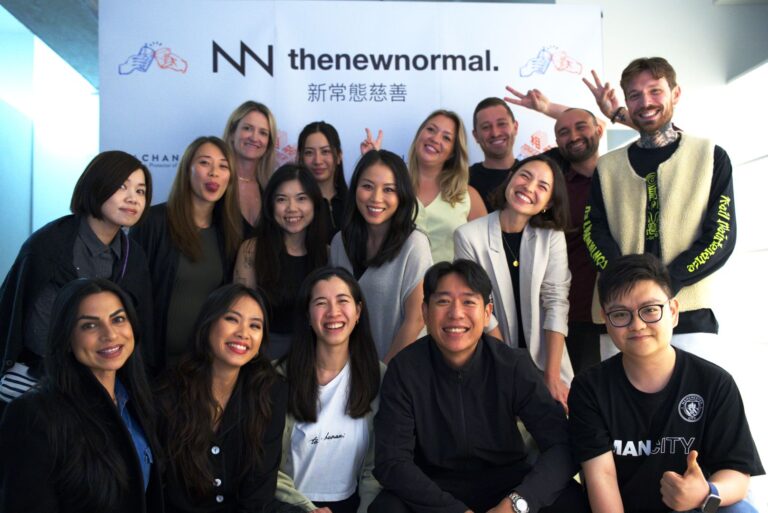
Caring for People and Planet – Life Solutions proudly supporting The New Normal Charity
At Life Solutions, we believe that caring for people and caring for the planet go hand in hand. That’s why we are proud to partner with The New Normal Charity (TNN), a Section 88 registered charity in Hong Kong, to support mental health in our city while advancing sustainability. Together, we are building a healthier, more resilient Hong Kong—where clean water and clear minds flow side by side.
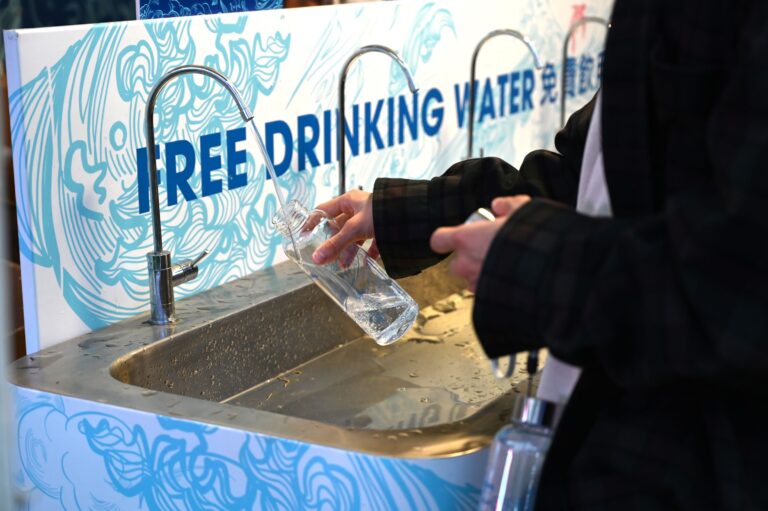
Life Solutions x Clockenflap 2025: Hydration with Purpose
At Life Solutions, we believe that sustainability isn’t just a goal—it’s a shared journey. That’s why we were proud to once again support Clockenflap, Hong Kong’s largest music and arts festival, in making this year’s event more environmentally responsible.
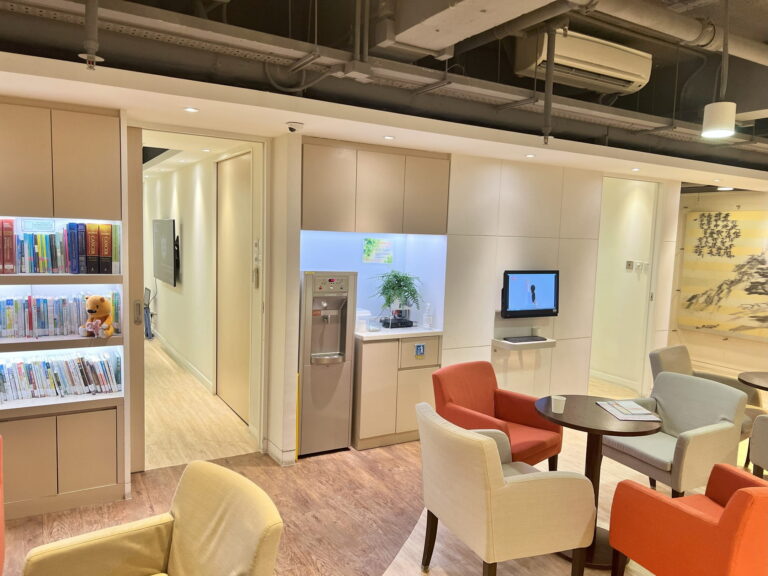
Supporting Hong Kong Cancer Fund with sustainable hydration | Life Solutions
At Life Solutions, we believe clean water is essential for health and well-being. Since 2003, we’ve proudly supported the Hong Kong Cancer Fund, a vital organization ensuring no one faces cancer alone. Established in 1987, the Cancer Fund provides free professional support, includinga one-on-one counselling, tailored programs, and classes for those in needs across their network of seven hospital-based Cancer Patient Resource Centres and four Cancer Support Centres in Wong Tai Sin, North Point, Central, and Kwai Chung.
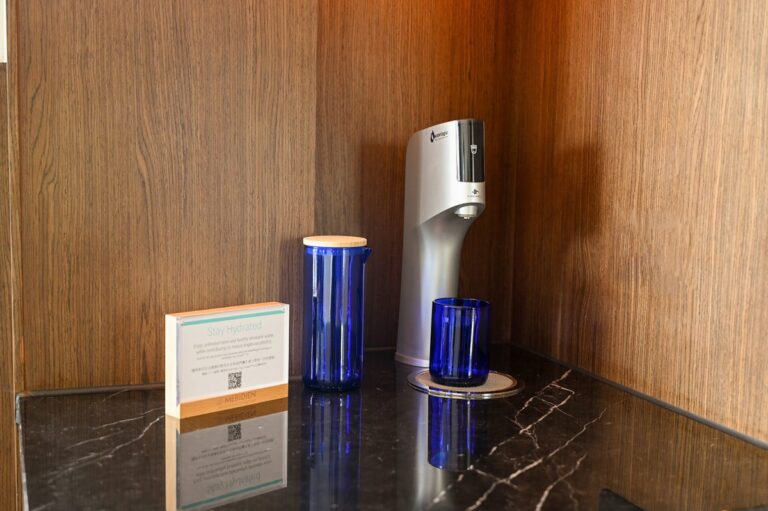
Transforming Hospitality: Embracing Hong Kong’s Plastic-Free Policy with Sustainable Water Solutions
As environmental awareness continues to grow, the Hong Kong government has implemented a new plastic reduction policy in 2024. This regulation prohibits all licensed hotels and guesthouses from providing complimentary single-use toiletries, bottled water, and promotional plastic-wrapped tissues to guests. While this presents operational challenges, it also offers a timely opportunity for the hospitality sector to transition toward more sustainable practices.
FAQ
Common water filtration technologies for drinking water include activated carbon filters, reverse osmosis systems, and ultraviolet (UV) purification. Activated carbon filters are effective at removing chlorine, sediment, and volatile organic compounds (VOCs), which improve the taste and odor of water.
Reverse osmosis uses a semipermeable membrane to eliminate a wide range of contaminants, including heavy metals, salts, and bacteria, resulting in highly purified water. Additionally, ultraviolet purification employs UV light to kill or inactivate bacteria, viruses, and other pathogens, ensuring microbiological safety. These technologies can be used individually or in combination to meet specific water quality needs.
Lorem Isump
Activated Carbon, Reverse Osmosis and Ultra Violet Sterilizing Light are the most common filtration technologies that we employ. We may also customize filtration system to meet your specific needs.
Common water filtration technologies for drinking water include activated carbon filters, reverse osmosis systems, and ultraviolet (UV) purification. Activated carbon filters are effective at removing chlorine, sediment, and volatile organic compounds (VOCs), which improve the taste and odor of water.
Reverse osmosis uses a semipermeable membrane to eliminate a wide range of contaminants, including heavy metals, salts, and bacteria, resulting in highly purified water. Additionally, ultraviolet purification employs UV light to kill or inactivate bacteria, viruses, and other pathogens, ensuring microbiological safety. These technologies can be used individually or in combination to meet specific water quality needs.
The advantages are:
– Smaller filter size
– Faster filtration rate
– No waste water will be generated
The disadvantages are:
– Rather short lifetime, needs to be replaced frequently
– Since the filter pole size is 0.1-5 micron, some material like heavy metal ions cannot be filtered
– Filtration performance drops overtime
Hong Kong, Macau, Southern China and Shanghai.
AC is an elementary filtration technology. Function and performance of AC filters vary by the pore size of the filter, which ranges from 0.1 micron to 5 microns. Most typical AC filters can remove chlorine, dust and rust from water.
Lorem Isump
